

How warehousing is priced in India: per pallet, per square foot or per order
How warehousing charges work in India. Rent per square foot, storage per pallet, handling, pick and pack, minimums and what pushes the price up or down.
You have three quotes for warehouse space in Bhiwandi on your desk. One gives a rent per square foot. One prices storage per pallet. The third adds a charge for every order you ship. As they stand you cannot set them side by side.
This guide explains each way warehousing is charged in India and what each line on a quote pays for. Then it shows what pushes the price up or down and how to compare quotes fairly. Rates change by city and by season so there are none here.
1. A lease or a 3PL: two ways to pay for a warehouse
With a lease you rent an empty building and run it yourself. The landlord charges rent for the space. Everything that happens inside is yours to pay for: the racks, the staff, a stock system, power and security.
With a third-party logistics provider (3PL) you pay a company that already runs the warehouse. Its bill has several lines: storage for the space your stock takes, handling for each move in and out, and charges for orders and other work. The staff, the racks and the system come with it.
So the two prices measure different things. A rent per square foot can look lower than a 3PL's storage rate, but it covers only the empty building.
2. Leased space: rent per square foot per month
Warehouse rent in India is quoted per square foot per month. It differs from city to city. In the first half of 2026 it rose in all eight large markets Knight Frank tracks, pushed up by the cost of land, building and borrowing.
The rent is only one line of the lease. Read these too:
- Check which area you pay for. Many leases charge rent on a "chargeable area" that is larger than the floor you can use. Ask for the carpet area too, which is the floor you can store on.
- In a warehouse park you also pay a share of the park's upkeep, called common area maintenance.
- The rent goes up on a schedule written into the lease, every year or every few years. This is the escalation clause.
- The landlord holds a security deposit of several months' rent, usually without interest.
- You agree to a lock-in of some years. Leave early and you can owe the rent for the rest of the lock-in or lose the deposit.
None of these covers the racks, the team or the stock system. You pay for those on top.
3. Shared storage: per pallet, by volume or by floor space
A 3PL with shared space charges for storage in one of a few ways. Each suits a kind of stock.
Per pallet position
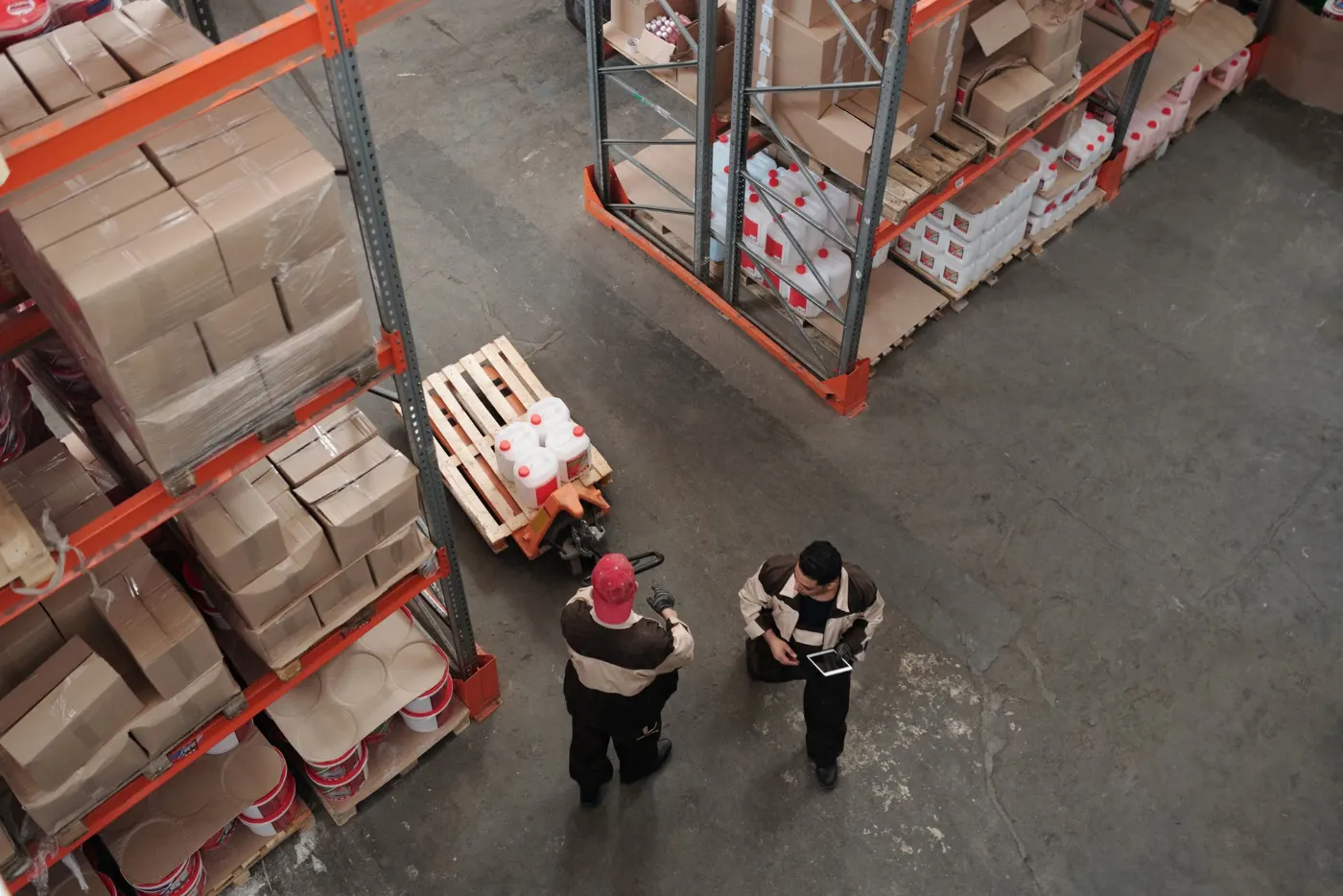
A pallet position is the place for one pallet, on a rack or on the floor. You pay for each position your stock fills, usually by the month. It suits goods that arrive and sit on pallets, such as cartons of appliances, drums or bagged goods. It is also easy to check because you can count the pallets.
By volume
Loose cartons and odd shapes are often charged by volume, per cubic metre or per cubic foot. This suits goods that do not sit neatly on a pallet.
By the floor your stock covers
Bulky goods stacked on the floor, or a marked-off area, are often charged per square foot. You pay for the floor your stock covers.
Per unit or per bin
Small items kept on shelves, such as spare parts or stock for online orders, are sometimes charged per unit or per shelf bin.
Whichever way you are charged, ask how the space is measured. Is it counted on one day of the month, at its peak or as an average? Two quotes with the same rate can lead to different bills because of this alone.
Dedicated space
Dedicated space is priced its own way because it is held for one brand. The space is often charged at a monthly rate per square foot, with the 3PL's operating charges on top. Some providers charge their costs plus an agreed margin. Others set a rate for each activity or mix the two. Our guide to shared and dedicated warehouses explains when each one suits.
4. Handling in and out
Handling is charged each time your stock moves, on top of storage.
Inward handling covers unloading the truck and counting the goods against your invoice. It also covers labelling them and putting them away. Outward handling covers taking stock off the rack and loading it onto the truck. Each is charged per pallet, per carton, per tonne or by volume.
A container of loose cartons stacked by hand takes longer to unload than one loaded with pallets. Ask how each is charged.
How much handling adds depends on how fast your stock moves. Stock that turns over every week pays for handling again and again. Slow stock pays mostly for storage. So the same warehouse can be the cheaper choice for one brand and the dearer one for another.
5. Pick and pack: per order and per unit
When orders go out in single units rather than full cartons, the 3PL picks and packs each one. This is often charged as a fee per order plus a smaller fee for each extra unit in it. A large order takes longer to pick than a single item.
Packing material can be charged at cost, at cost plus a margin or folded into the order fee. Labels for marketplaces and quick commerce platforms may be a line of their own.
Full-carton orders to distributors and retail chains may be charged as outward handling instead. If you sell both ways, check how each kind of order is charged.
6. Value added work and returns
Work done while your stock waits has its own charges. That covers labels and MRP stickers, kits, repacking and opening cases into single units. It is priced per unit or per job. Get these prices in writing before the work starts, as they are easy to miss in a quote.
Returns have a line too. Someone checks each return and sorts good stock from damaged. The good stock goes back on the shelf. That work is usually charged per unit.
7. Minimums, lock-ins and the lines people miss
Beyond the rates the terms of the contract change what you pay. Look for these:
- a minimum monthly bill or a minimum space you pay for even when you use less;
- the contract period, the notice period and any charge for leaving;
- set-up or onboarding fees and a monthly fee for the stock system;
- surcharges in the busy season or for goods that need special handling;
- transport, which is often billed separately, by the trip or by weight.
Ask for a sample invoice for a month like yours. It shows which lines turn up in a real bill.
8. What pushes the price up or down
Location
A warehouse close to the city you sell in, a port or a main highway usually costs more than one further out. Rents differ between cities too. Still, a cheaper warehouse far from your buyers can cost you more in trucks than it saves in rent.
The building
Property firms grade warehouses. Grade A buildings are usually newer and built to a higher standard. They are taller, with flat floors that take heavy loads, proper loading docks, wide truck yards and fire protection. Grade B buildings are older or simpler. The grades have no single official definition. Grade A space usually costs more.
Whether you need it depends on your goods. Racked stock that moves fast gains from the height and the docks. Bulk goods stacked on the floor may not.
Your volume and how steady it is
Larger and steadier volumes usually get better rates. The warehouse can plan its space and its team around them.
Your goods
Heavy, bulky, fragile or odd-shaped goods take more space and more care. Goods that need special racks or equipment cost more to store and to handle. Temperature-controlled space costs more again.
How your stock moves
Fast-moving stock, loose cartons and small orders add handling. Slow stock on pallets adds mostly storage.
The length of the contract
A longer commitment often brings a lower rate. A shorter one leaves you room to change your plans.
9. How to compare quotes fairly
Write down one normal month of your own:
- how much stock you hold in pallets or cartons;
- how many trucks or containers come in and how they are loaded;
- how many orders go out and how many units are in each;
- any labels, kits or repacking you need;
- how many returns come back.
Send the same month to every provider and ask each one to price it in full. Then compare the totals, not the storage rates. A low storage rate with high handling charges can cost more than the other way round.
GST is added to the warehousing bill. A registered business can usually claim it back as input tax credit. Storing unprocessed farm produce is exempt from GST. Processed goods such as tea or de-husked pulses do not count as farm produce.
With us there is no lock-in, no security deposit and no minimum space. You pay as you go and only for what you use.
Questions people ask about warehousing charges
How is warehousing usually charged in India?
A leased warehouse is charged as rent per square foot per month. A 3PL charges for storage, handling in and out, and any order or value added work, each on its own line. Shared storage is usually priced per pallet position, by volume or by the floor your stock covers.
What is a pallet position?
A pallet position is the place for one pallet, on a rack or on the floor. Many shared warehouses charge storage for each position your stock fills, usually by the month. It is easy to check because you can count your pallets.
What are inward and outward handling charges?
Inward handling pays for unloading your goods and counting them in. It also covers labelling them and putting them away. Outward handling pays for taking them off the rack and loading the truck. Both are charged per pallet, per carton, per tonne or by volume, separately from storage.
Is GST charged on warehousing services?
Yes. GST is added to the warehousing bill, and a registered business can usually claim it back as input tax credit. Storing unprocessed farm produce is exempt but processed goods do not count as farm produce.
What is a lock-in period in a warehouse lease?
It is the time you agree not to leave the lease, often some years. If you leave early you can owe the rent for the rest of the lock-in or lose your security deposit. Read the exit terms before you sign.
Why do two warehouses in the same city quote such different prices?
They may charge in different ways or measure the space differently. The buildings can differ in grade and in how close they are to your buyers. One quote may also leave out handling, packing or the system fee. Price the same month of your own volumes with each and compare the totals.
Last updated


