

From the port to your warehouse: the import clearance process in India
What happens to an imported container at an Indian port, from Nhava Sheva to Chennai: the papers, customs, the gate, the truck and the warehouse.
Your container is on the water to Nhava Sheva and the supplier has sent the papers. Between the ship tying up and your goods sitting on a shelf, a lot can still go wrong: a paper that does not match, duty paid a day late, a truck that is not there when the gate opens.
This guide follows one container from an Indian port to your warehouse. The steps are much the same at Mundra, Chennai or any other port. It shows who does each step, what each step needs and where it usually gets stuck.
- Bill of Entry filed early
- Ship arrives
- Customs checks it
- Duty paid
- Out of charge
- Delivery order and gate pass
- Truck with its e-way bill
- Counted in at the warehouse
1. Before the ship docks: get the papers right
Two papers set the pace before your container even lands.
The arrival manifest
The shipping line sends customs a list of everything on board before the ship arrives. Many people still call it the IGM. You do not file it but your papers must match it. The names, your IEC and the weight on the manifest have to agree with your Bill of Entry. If they do not, the line has to file a correction first.
Your Bill of Entry
This is your declaration of what you are importing and the duty on it. At a sea port it is due before the end of the day before the ship arrives, holidays included. You can file it up to 30 days early, and early is better. Customs can then assess it and you can pay the duty before the box lands.
Filing late costs you a charge for each day. It is capped and can be waived for good reason, but it is money you did not need to spend.
There are two kinds of Bill of Entry. One is for home consumption: you pay the duty and the goods go to market. The other is for warehousing: the goods go under bond to a customs bonded warehouse and you pay duty later when you take them out.
Here is what usually goes with it:
- The bill of lading, the commercial invoice and the packing list
- Your IEC, the code every importer needs
- A certificate of origin if you claim lower duty under a trade agreement
- Any licence the product needs, such as BIS for electronics or FSSAI for food
You upload each document once on e-Sanchit, the customs document portal.
A tip from our customs team: the invoice, the packing list, the bill of lading and the line's manifest must all say the same thing. Most delays start with two papers that disagree.
2. At the port: straight out or through a freight station
Once the box is off the ship, it goes one of two ways.
Through a container freight station
This is the usual route. The box moves from the terminal to a container freight station outside the port. Customs examines and releases it there. A shared container always goes this way because it has to be opened and split. No e-way bill is needed for this short move.
Direct port delivery
The container leaves the terminal straight for your premises on your own truck, with no stop at a freight station. That saves the station's charges and usually a day or more. Not everyone can use it. It is open to trusted importers with AEO status and to importers with a clean record and steady full-container volumes. Importers who mostly ship shared containers are left out. Even then a box goes direct only if customs has not picked it for examination. Everything must be ready before the ship docks: the Bill of Entry, the duty, the delivery order and the truck.
3. Customs: assessment, examination and out of charge
You work out your own duty on the Bill of Entry. That is called self-assessment. Customs then decides how closely to look, using its risk system. Each Bill of Entry gets one of three outcomes:
- Cleared without checks: you pay the duty and the goods can be released.
- Assessment only: an officer checks your classification, value or duty, but the box is not opened.
- Examination: the container is opened or scanned, with your customs broker there.
The officer who assesses your papers may sit at another port. This is faceless assessment and any questions come to you on ICEGATE. Examination still happens where the goods are.
If you cannot give full details of the goods, you can ask to examine them before the Bill of Entry is assessed. That is called first check. It is slower so use it only when you must.
When customs is satisfied and the duty is paid, it gives the goods "out of charge". That is the order that lets them be cleared for the Indian market.
4. Paying the duty on time
If you assessed the Bill of Entry yourself, the duty is due the same day you file it. If customs re-assesses it, you have one working day after it comes back to you. After that, interest runs from day one. There are no free days.
The duty itself has three parts: basic customs duty, a surcharge worked out on it, and IGST. Only the IGST comes back to you as input tax credit. Our guide to importing electronic components explains how these add up.
Not every importer has to pay it all at the port:
- With a Bill of Entry for warehousing, the goods go under bond to a bonded warehouse. The duty waits until you take them out.
- Stock that waits can sit in our free trade warehousing zone (FTWZ) without duty. You pay only on what you take out for India.
- Some trusted importers, including AEO importers at the higher tiers, can pay their duty once a month instead of shipment by shipment.
5. The delivery order and the port gate
Out of charge does not mean the container can leave. Two more things have to happen first.
The delivery order
This is the shipping line's release of the container to you. Before issuing it, most lines want:
- the original bill of lading handed back or proof that it has been released;
- the freight if it is payable at your end;
- their local charges for the port;
- a deposit against the container, which comes back once the empty is returned.
The delivery order has a validity date. Clear after it and you pay to have it renewed.
The gate pass
The terminal or freight station releases the box only when it sees three things: customs' out of charge, the line's delivery order and its own charges paid. Then it issues the gate pass and the truck can leave.
6. On the road: the e-way bill
The move from the freight station to your warehouse needs an e-way bill when the goods are worth more than ₹50,000. Under direct port delivery the move from the port needs one too. The Bill of Entry number and date go in Part A. The truck goes in Part B. The driver carries a copy of the Bill of Entry.
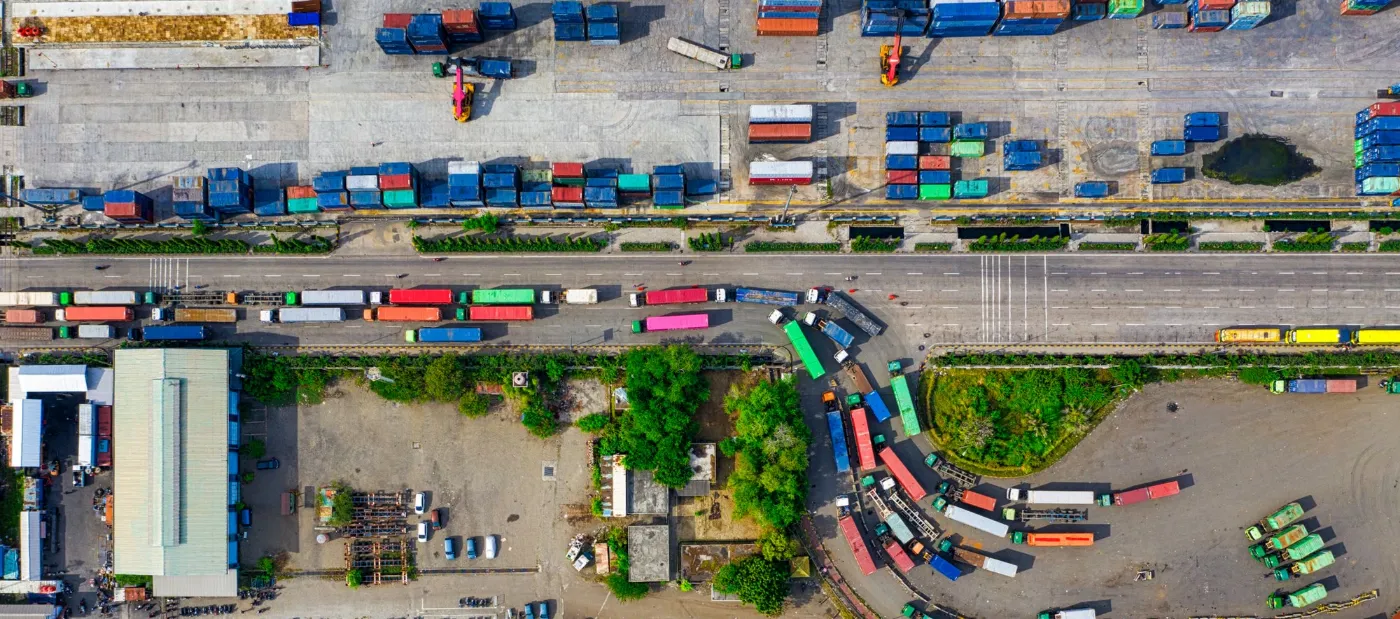
We book the truck on the same job as the customs clearance so it can be at the gate when your goods are released.
7. At the warehouse: counted, checked and recorded
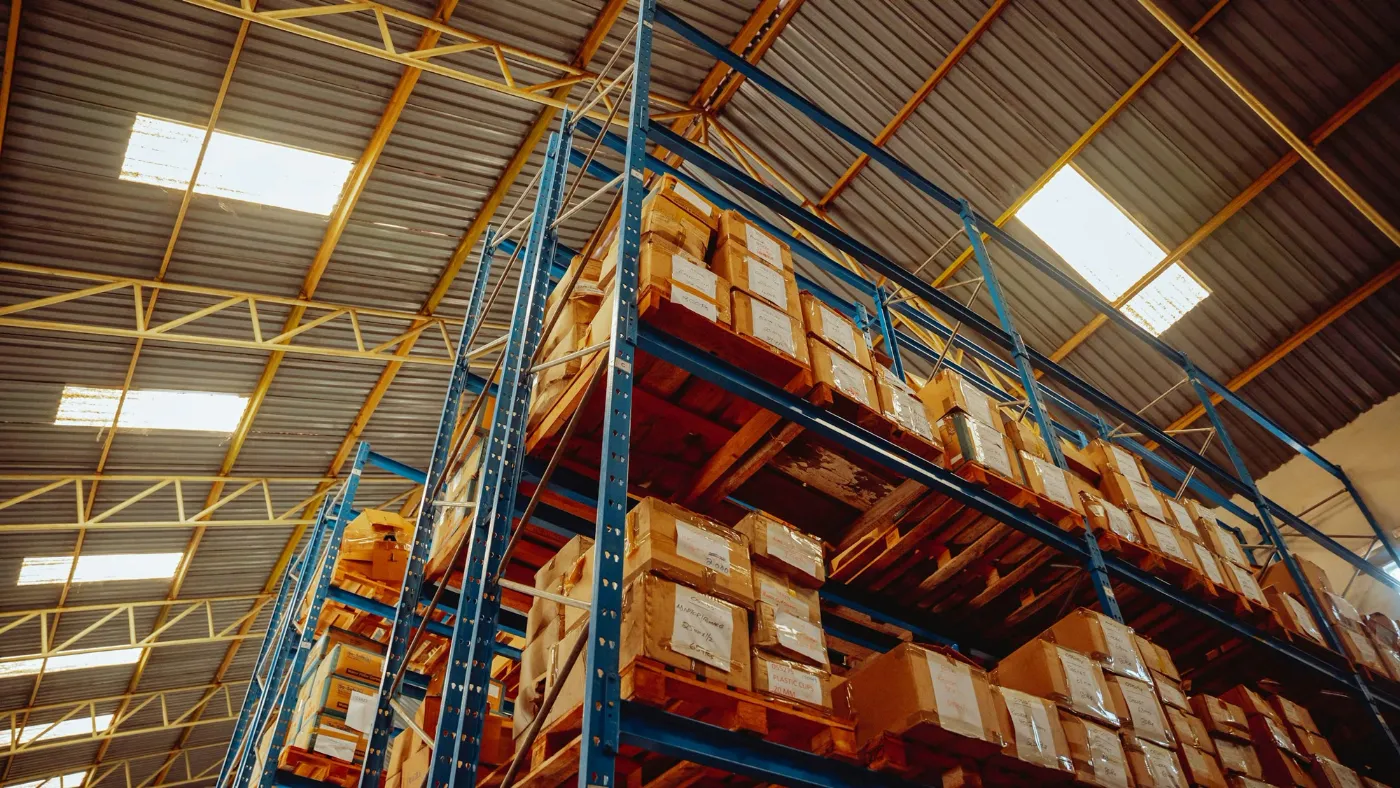
When the container reaches our warehouse, we count your stock in against your invoice. We note the condition of what arrives so a shortage or damage is on record from the first day. Your stock then shows on your dashboard on our platform, ready to sell.
8. Sending the empty back
Two bills can run while your goods wait, from two different companies.
- Detention is the shipping line's charge for keeping its container past the free days. It runs until the empty is back at the line's yard, wherever the box is waiting.
- Ground rent, sometimes called demurrage, is the terminal's or freight station's charge for storing the box past its free days.
Both sets of free days start when the box lands, not when customs clears it. If customs holds your goods, the freight station may not charge you rent for that time, once you have a certificate from customs. The shipping line's detention keeps running anyway.
So unload fast. Return the empty, clean and undamaged, to the yard the line names. Keep the receipt because you need it to get your deposit back.
How long it takes and where it gets stuck
CBIC's own study of release times, the National Time Release Study 2025, found that only about half of sea import cargo met the national target. The importers who cleared fastest filed early, held AEO status and used direct port delivery.
The same study names what slows things down. Here is how each one shows up for an importer:
- Corrections and queries. Papers that disagree mean a corrected Bill of Entry or an answer to a customs query. Each one costs days.
- Checks by other agencies. A BIS, FSSAI or other permit applied for late holds the whole Bill of Entry.
- Duty payment. Release waits until the duty is paid, and interest runs.
- Moving the goods after clearance. The goods are cleared but there is no truck or delivery order at the gate. They sit and the free days run out.
If goods are not cleared within 30 days of being unloaded, the custodian may sell them. That needs notice to you and customs' permission, and you can still clear them until the sale. By then, though, a month of storage and detention charges has built up.
Questions importers ask
When should I file the Bill of Entry?
At a sea port before the end of the day before the ship arrives. You can file it up to 30 days early, and filing early lets customs assess it before the box lands.
What does out of charge mean?
It is customs' order that lets your goods be cleared for the Indian market. The container still needs the shipping line's delivery order and the port's charges paid before it can leave.
Do I need an e-way bill to move goods from the port?
Not from the port to a container freight station for clearance. You do need one from the freight station to your warehouse when the goods are worth more than ₹50,000, or from the port itself under direct port delivery.
Can any importer use direct port delivery?
No. It is for importers with AEO status, or a clean record and steady full-container volumes. Importers who mostly ship shared containers cannot use it.
What happens if my goods are not cleared in time?
After 30 days from unloading, the custodian may sell them, after notice to you and with customs' permission. You can still clear them until the sale takes place.
Can I store imported goods without paying duty?
Yes. You can file a Bill of Entry for warehousing and keep the goods in a customs bonded warehouse, or hold them in an FTWZ such as ours. In both cases the duty waits until you take the goods out for India.
Last updated


